
Key facts
- State corrections officials in North Carolina are expected to launch a major push to install cell blockers in prisons.1
- Leslie Cooley Dismukes, the North Carolina secretary for the Department of Corrections.1
- South Carolina officials announced that Broad River Correctional in Columbia will be the first facility where the state plans.1
State corrections officials in North Carolina are expected to launch a major push to install cell blockers in prisons and jails to prevent violent crimes directed from behind bars.1
The federal regulatory decision follows more than a decade of scrutiny over crimes coordinated using illicit devices, including the murders of Douglas and Debbie London.1
The couple, who owned a mattress store, were killed at their Lake Wylie home on Oct. 23, 2014.1
Members of the United Blood Nation gang orchestrated the retaliatory murders from inside prison after Douglas London shot a gang member during a store robbery several months prior.1
Daniel London, the couple’s son, described his parents as people who were living their version of the American dream.1
Leslie Cooley Dismukes supports cell blockers
Leslie Cooley Dismukes, the North Carolina secretary for the Department of Corrections, strongly supports cell blockers and welcomed the federal approval.1
Dismukes warned that unauthorized devices compromise security beyond prison fences.1
Despite the federal approval, Dismukes said carrying out the plan will take time.1
The state must solicit company bids and the North Carolina Legislature will have to provide funding for the systems.1
South Carolina to be first
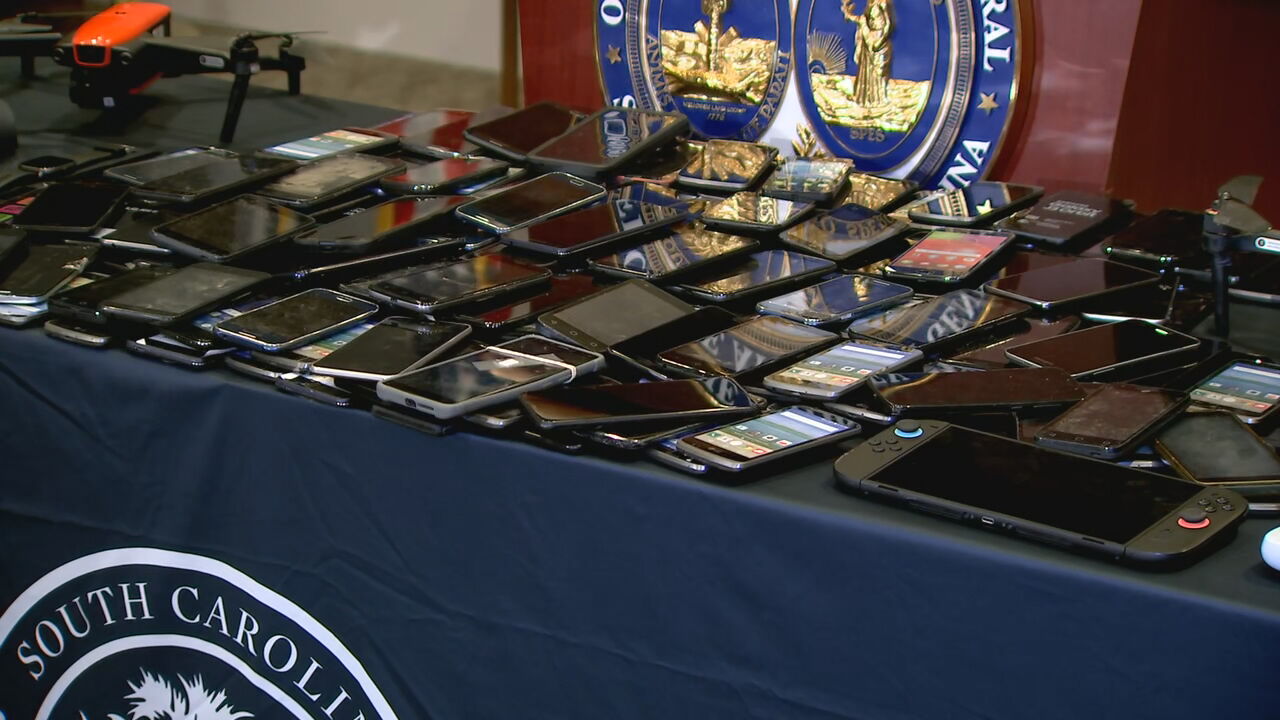
South Carolina officials announced that Broad River Correctional in Columbia will be the first facility where the state plans to use the new cell phone-blocking technology.1
Jails and prisons across the country can now set up technology to block contraband cell phones following a decision by the Federal Communications Commission.1