
Key facts
- Large amounts went to addiction treatment, recovery housing and other initiatives that many public health researchers and families affected.1
- Elizabeth Burke Beaty, an advocate in recovery, said the money should not be run by politicians1
- The settlement cash is expected to total about $60 billion over almost two decades1
State and local governments spent about $3.7 billion in opioid settlement funds last year..1 The money comes from companies sued for aggressively pushing painkillers and fueling the opioid crisis..1 Much of it went to addiction treatment, recovery housing and other initiatives that many public health researchers and families affected by the crisis agree fit the spirit of the settlements: to save lives and remediate the problem.1
KFF Health News uncovered these expenditures among about 17,500 examined through a yearlong investigation with the Johns Hopkins Bloomberg School of Public Health and Shatterproof..1 The team filed public records requests, scoured government websites, and extracted expenditures, which were then sorted into categories such as treatment or prevention..1 The result is the most comprehensive national database documenting how opioid settlement money was used or left unspent in 2025.1
Settlement cash expected to total about $60 billion
The settlement cash, which many addiction survivors and their advocates consider “blood money,” is expected to total about $60 billion over almost two decades..1 The settlement cash is split among state governments, counties, cities and specially created opioid settlement councils in some places.1
Much of the questionable spending happens at the county and city levels, where leaders often have no background in addiction policy and sometimes award the money to the first people who ask for it..1 Nationwide, county and municipal decision-makers control almost half the money, according to OpioidSettlementTracker.com.1
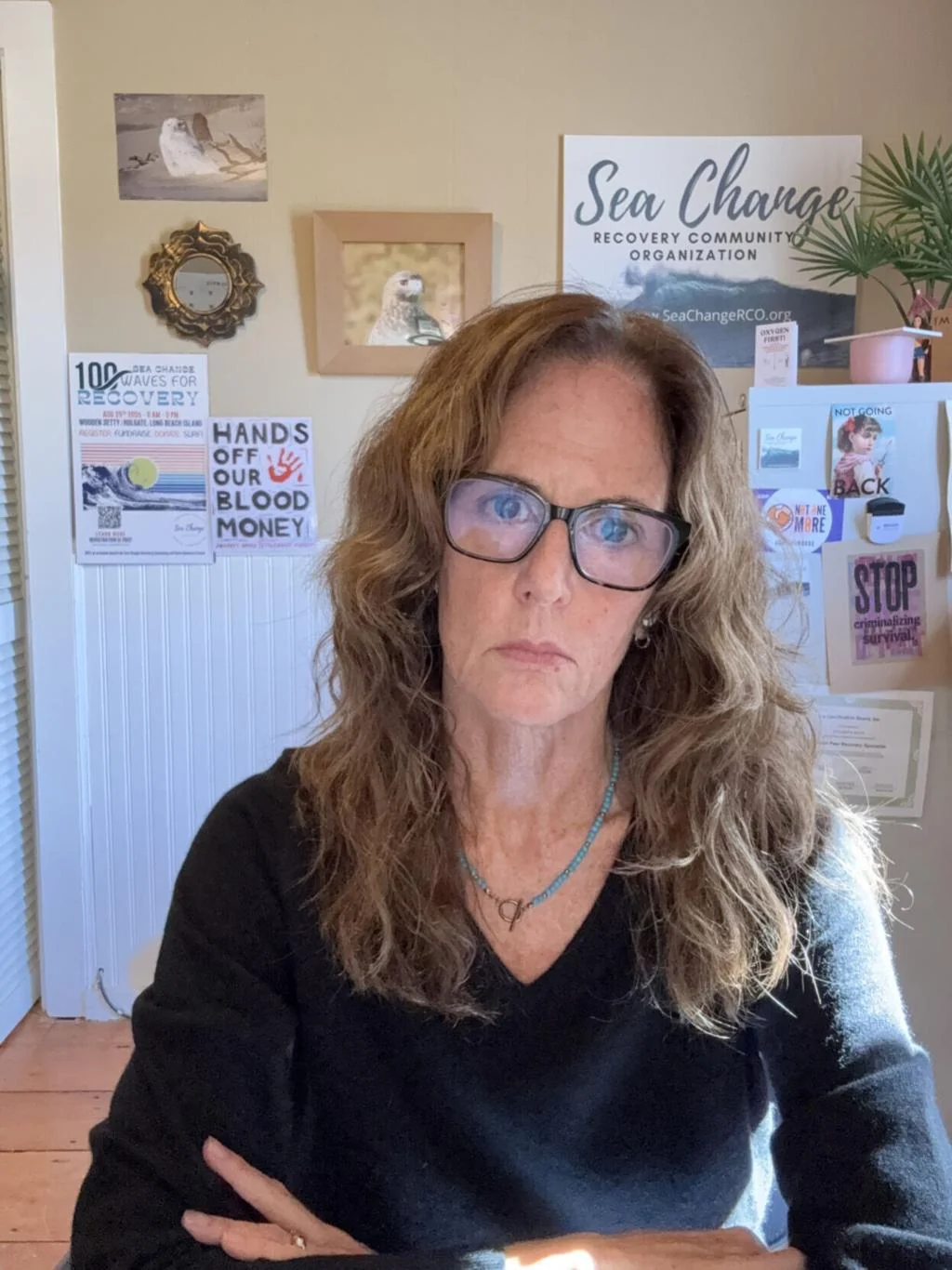
Elizabeth Burke Beaty: Politicians should not run the money
Elizabeth Burke Beaty, a New Jersey-based advocate who is in recovery and has followed the opioid cash for years, said, “It shouldn’t be run by these politicians.”1
Beaty is executive director of the Sea Change Recovery Community and Harm Reduction Center in Ocean County..1 She lost her brother and father to addiction and later landed in the hospital herself.1
Other questionable spending
Other expenditures had tenuous ties to addiction, including: $150,000 for street lighting in Camden, New Jersey.1 $130,000 for Flock cameras in Carmel, Indiana..1 At least $84,000 for city insurance, building utilities, vehicle repairs and other standard city expenses in Mullens, West Virginia.1 $36,200 for a pickleball court in Gilmer County, West Virginia.1